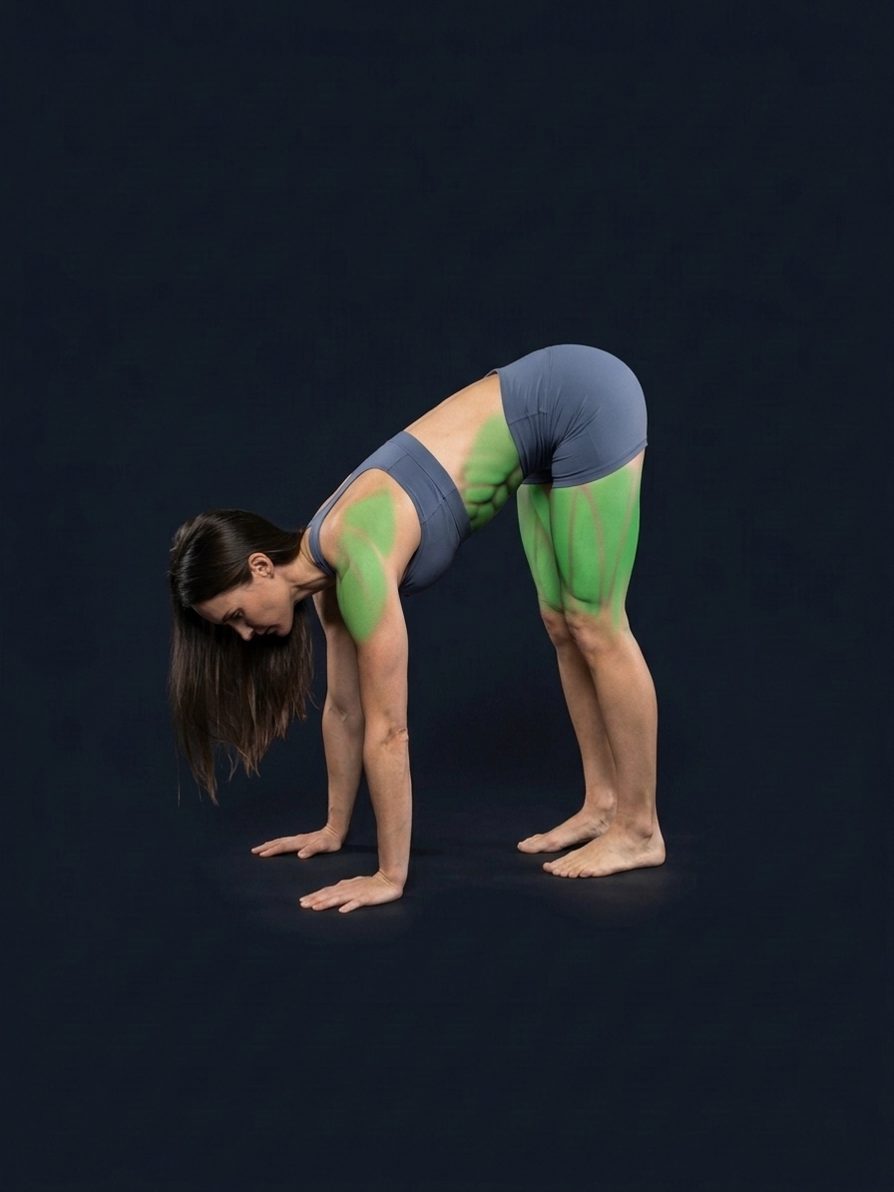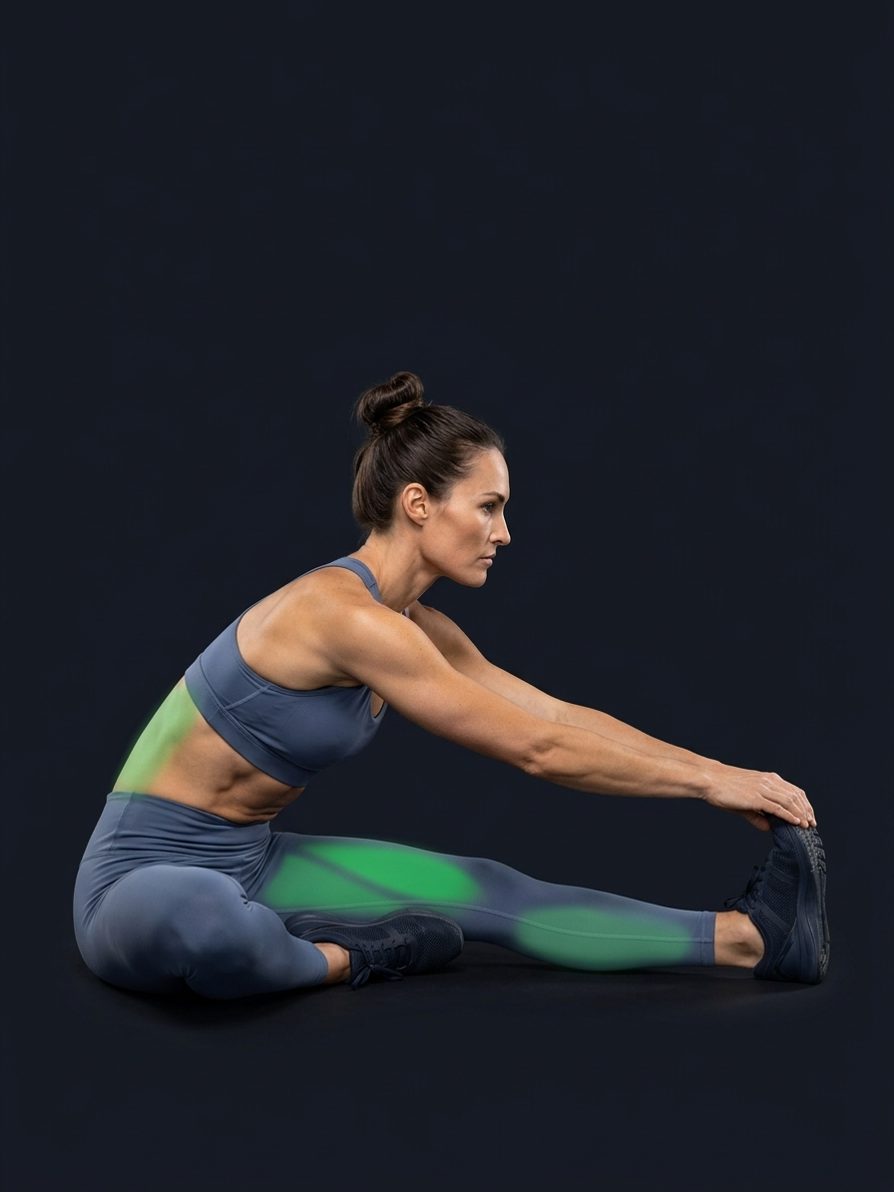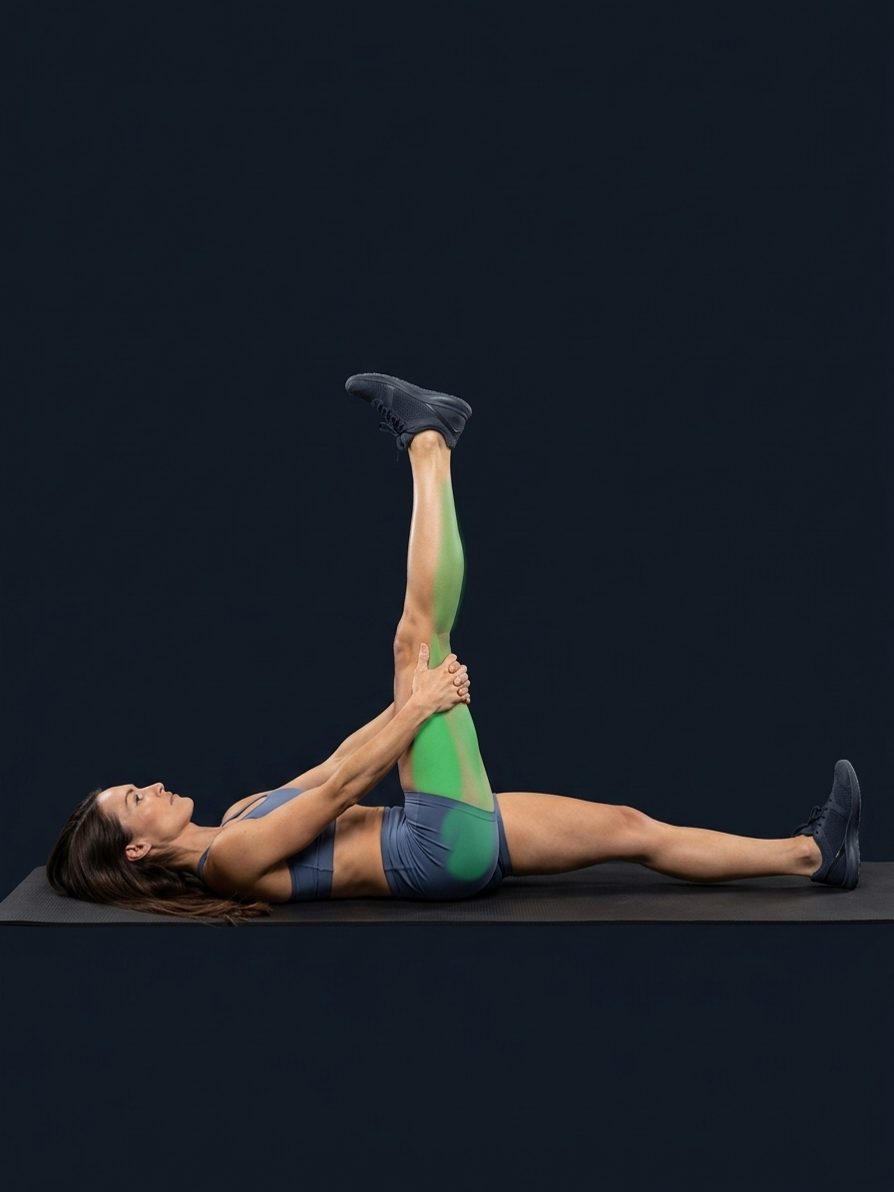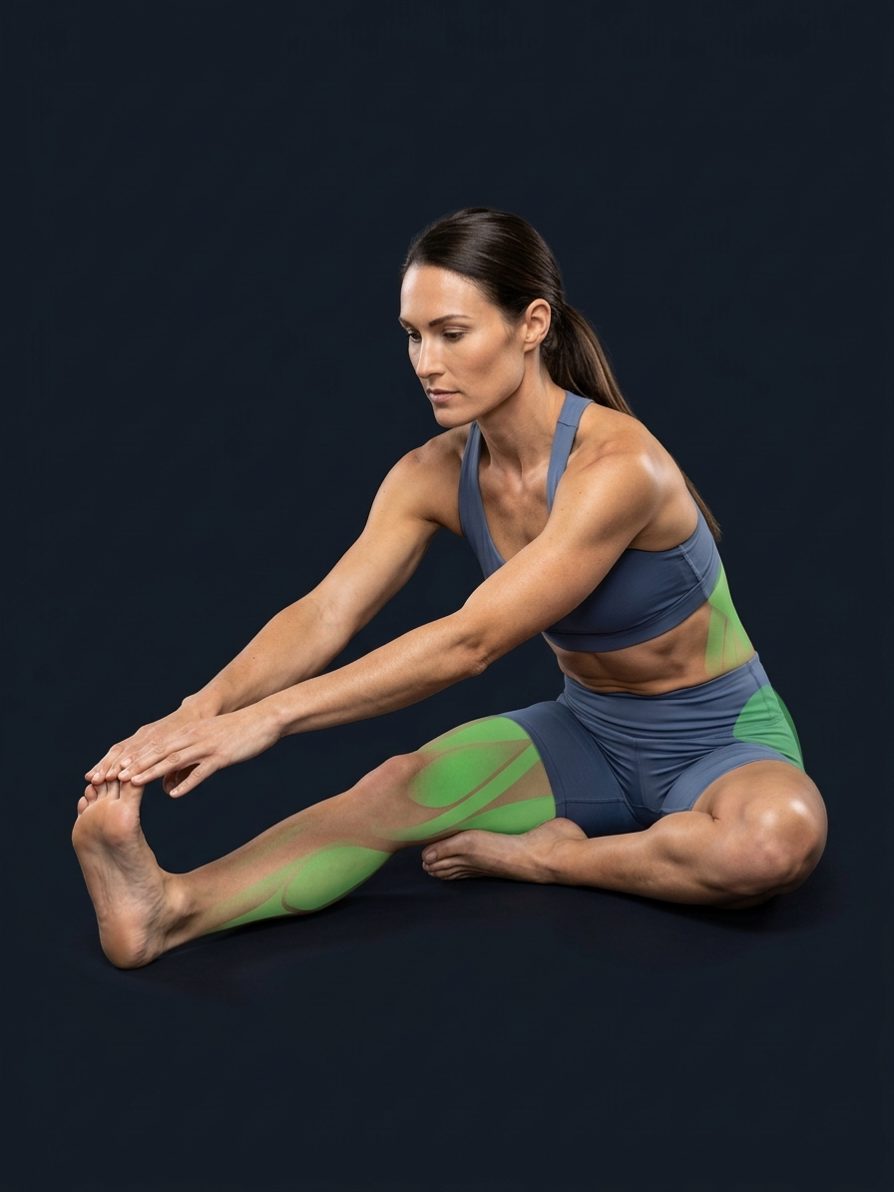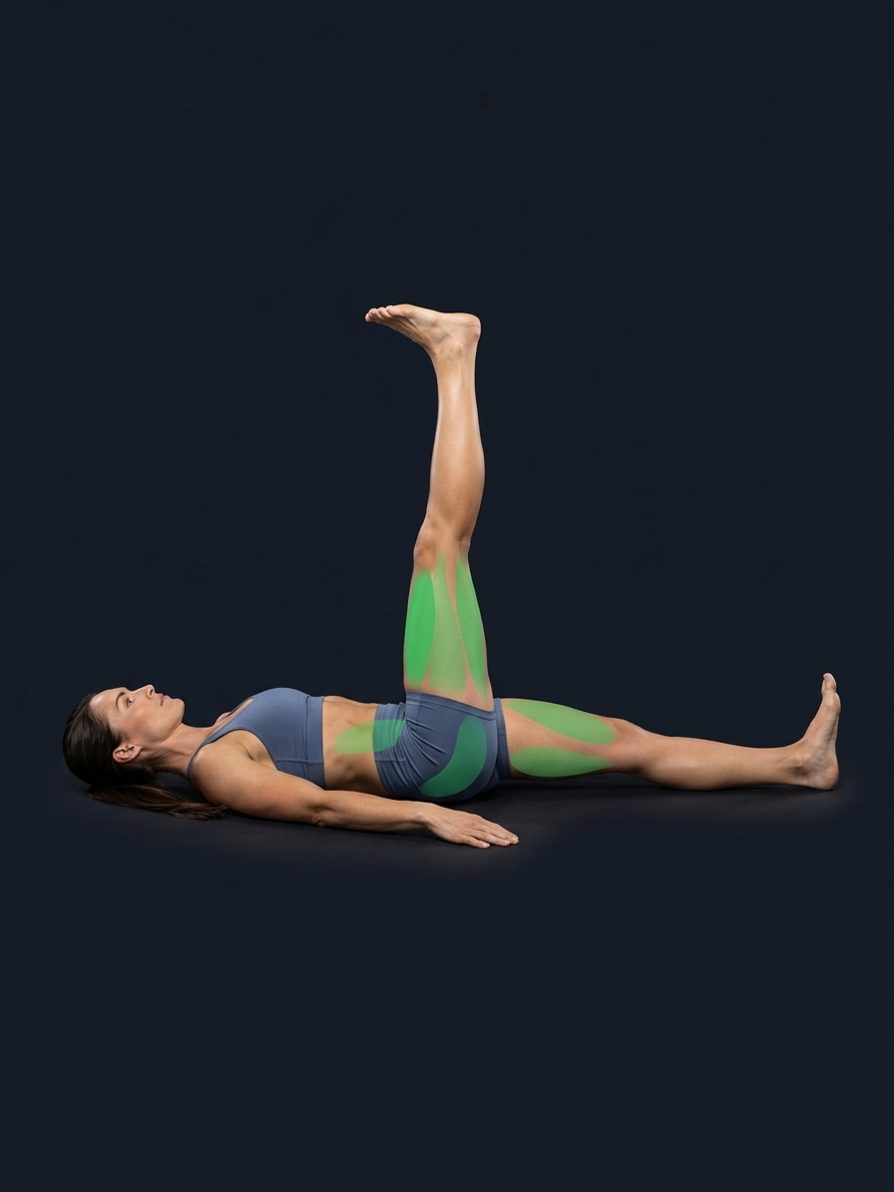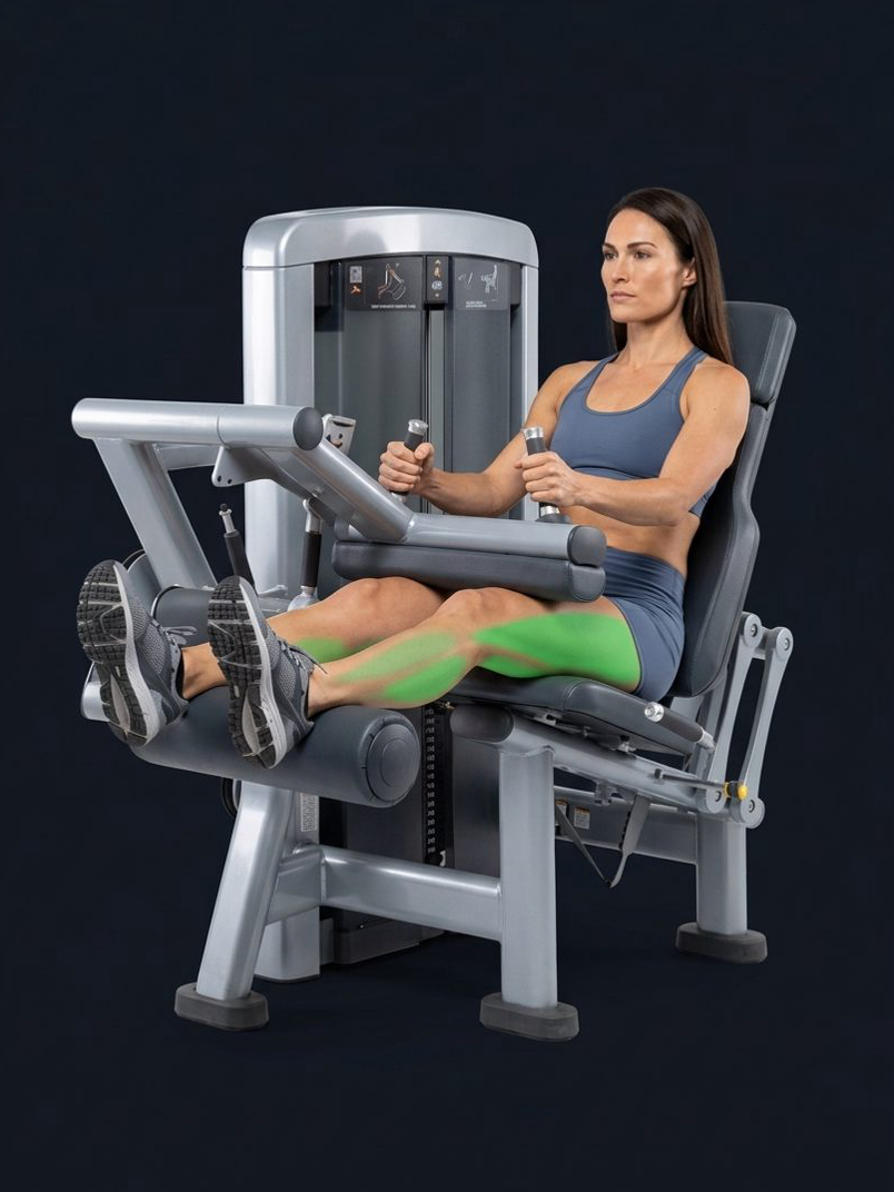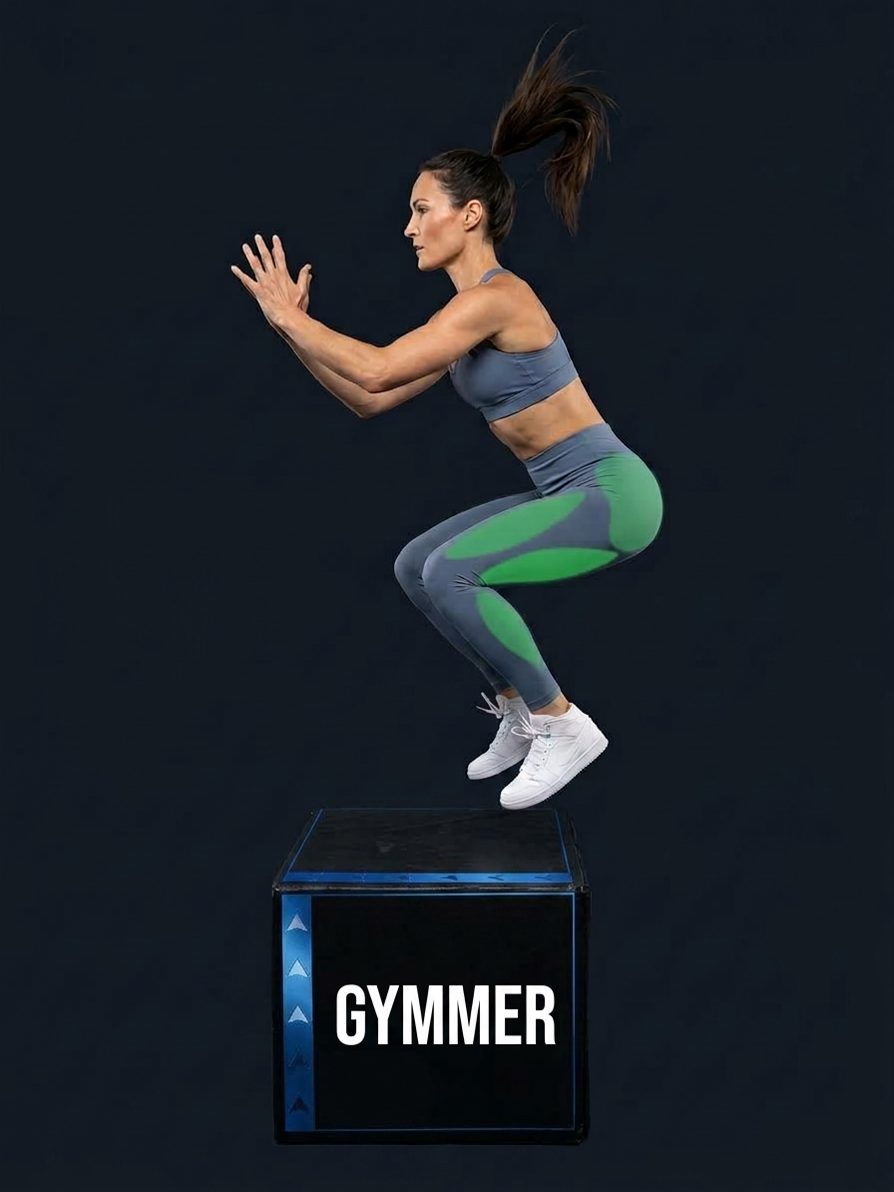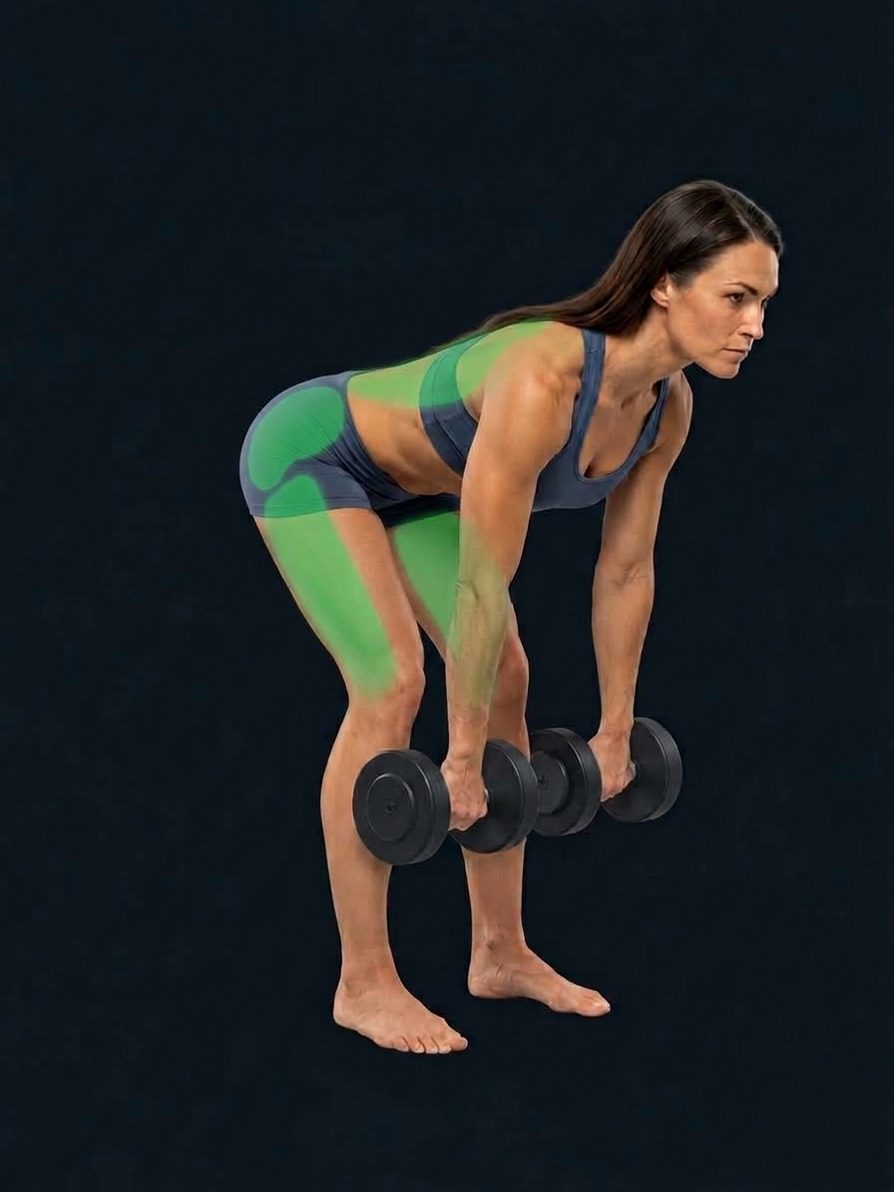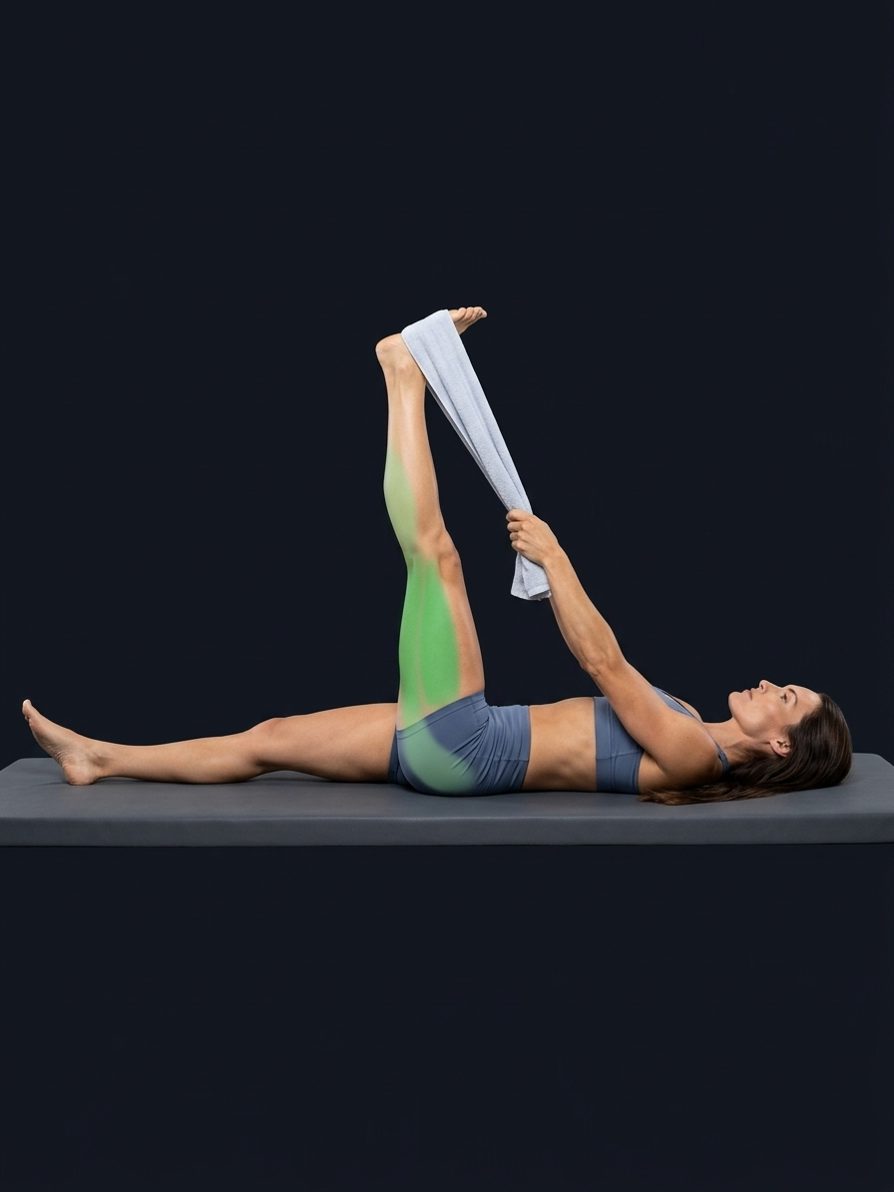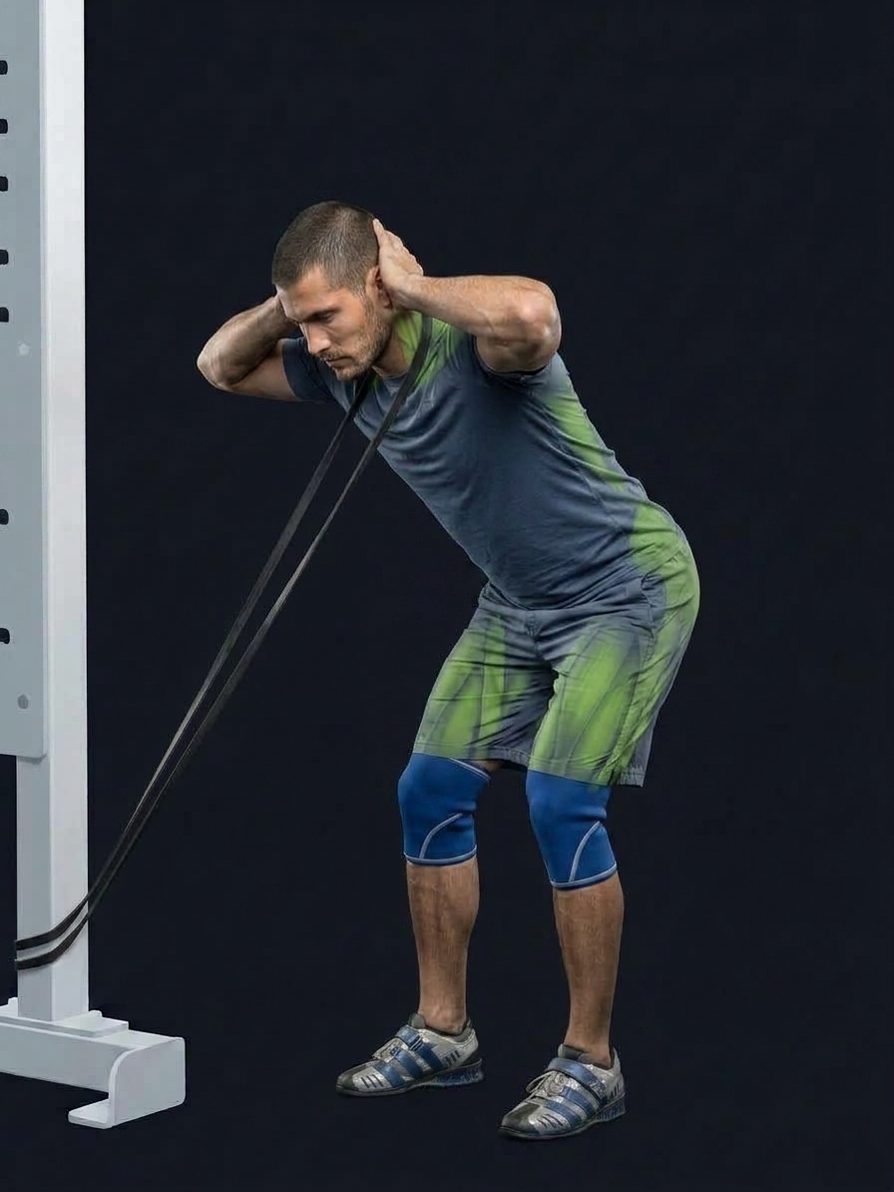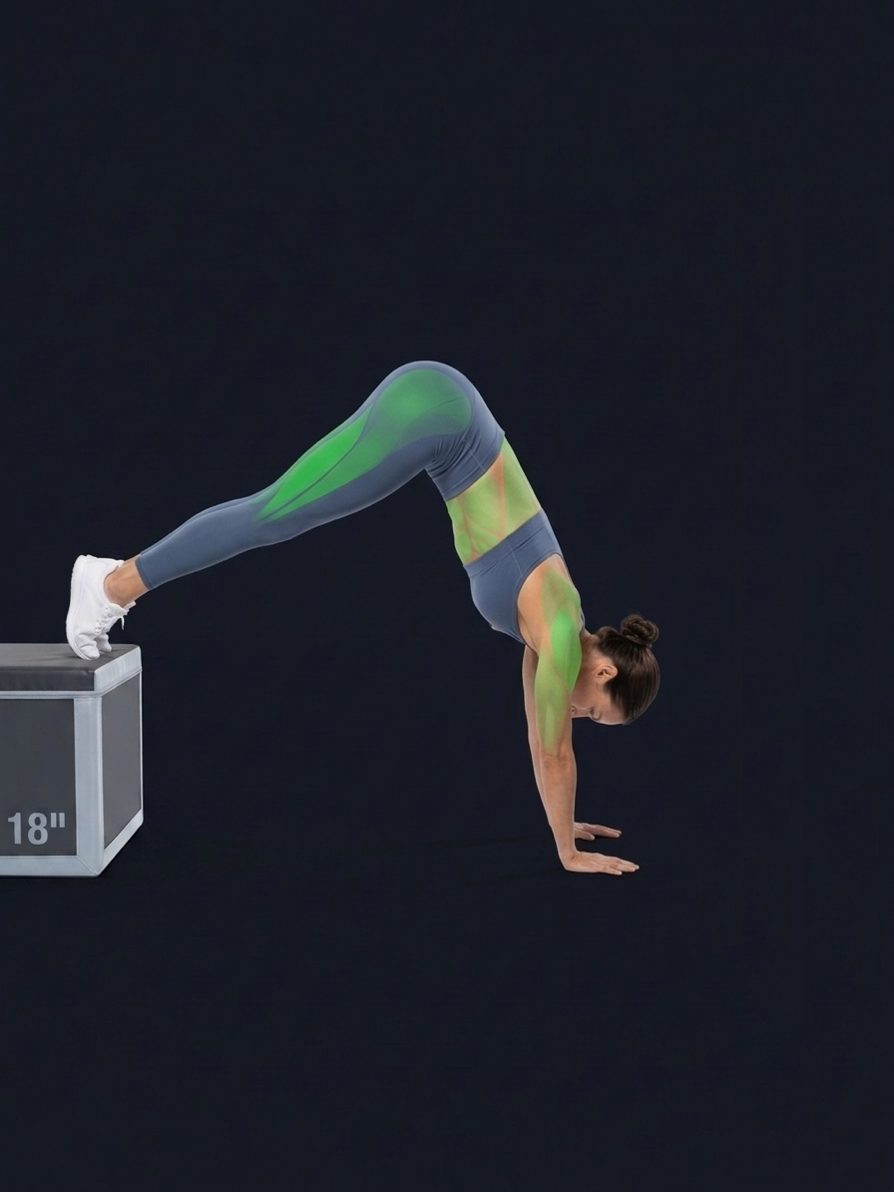
Feet Elevated Inchworm
- Level
- Beginner
- Equipment
- Bench
- Movement
- Inchworm
- Tracks
- Duration
Works
Hamstrings Calves Abdominals Shoulders Chest Triceps
How to do it
- Place a bench, step or sturdy box in front of you at roughly knee-to-thigh height.
- Stand facing the surface with your feet hip-width apart, a short distance back from it.
- Hinge at the hips and place both hands on the edge of the surface, shoulder-width apart.
- Walk your hands forward along the surface until your torso is over it and your hips are behind your hands.
- Continue walking the hands forward until your body forms a straight line from head to heels, with the surface supporting your upper body in a raised plank.
- Pause briefly, bracing the core and squeezing the glutes.
- Walk your hands back toward you and step your feet in toward the surface in small steps.
- Lift your hands off, roll up through the spine and stand tall to reset.
Common mistakes
- Placing the hands too far forward on the surface so the body collapses into a sag rather than a straight line.
- Bending the knees excessively during the initial hinge instead of hinging from the hips.
- Letting the hips sag or the back arch in the raised plank position.
- Rushing the hand and foot walks instead of controlling each step.
- Shrugging the shoulders toward the ears while supporting weight on the surface.
- Using a surface that is too high, which turns the movement into a near-vertical lean and removes the plank element entirely.
Safety
Ensure the bench or box is stable and will not slide or tip under your weight; avoid unstable or wheeled surfaces.
People with wrist or shoulder issues should pick a higher surface to reduce loading.
Tips
- Choose a surface height that lets you keep a flat back with only a slight knee bend.
- Keep the hips stacked over or slightly behind the hands in the raised plank rather than letting them sag toward the surface.
- Press firmly through the palms and keep the shoulders pulled down away from the ears.
- Take small, deliberate hand and foot steps to stay balanced.
- Keep the core braced throughout so the lower back does not arch as the hands walk out.
Details
- Base movement
- Inchworm
- Arms
- Both
- Hand placement
- Flat palms
- What is raised
- Hands elevated
- Stretch type
- Dynamic (moved through the range)