VARIATIONS
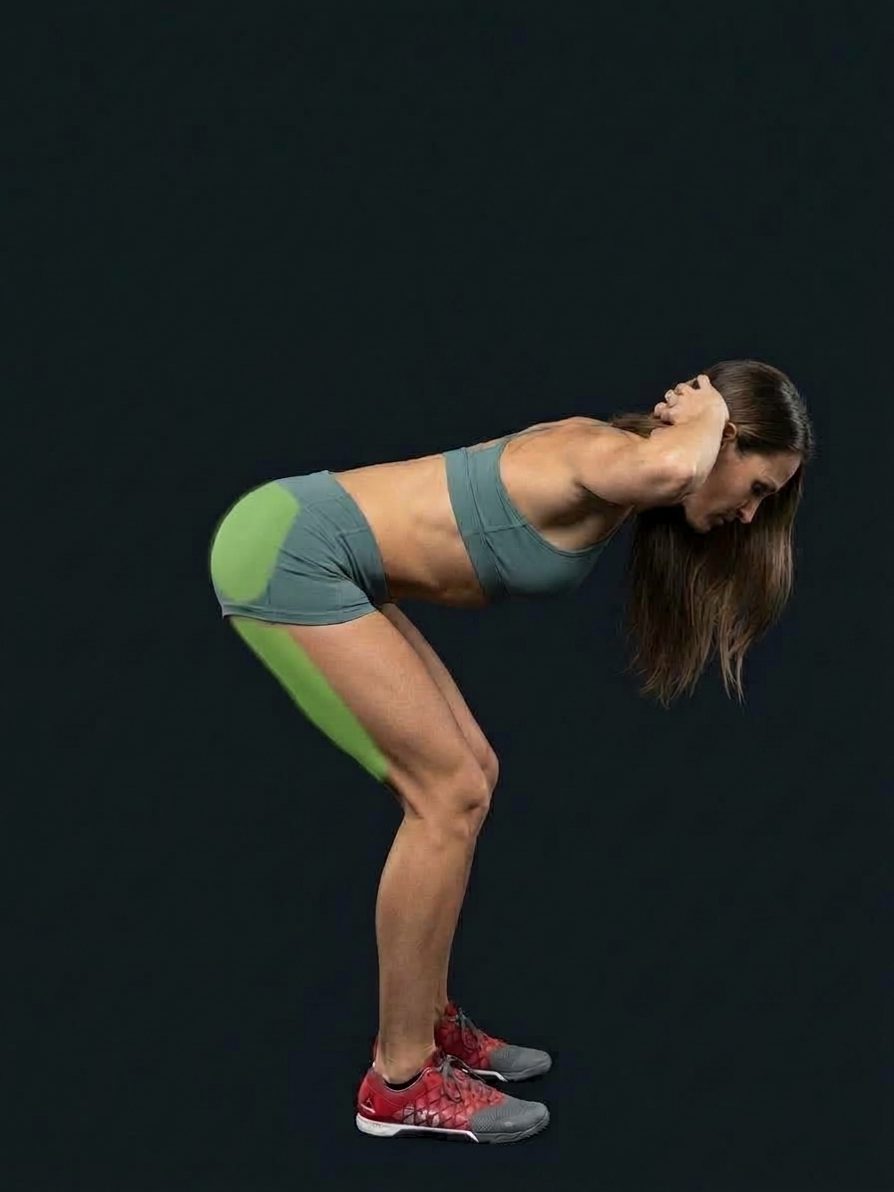
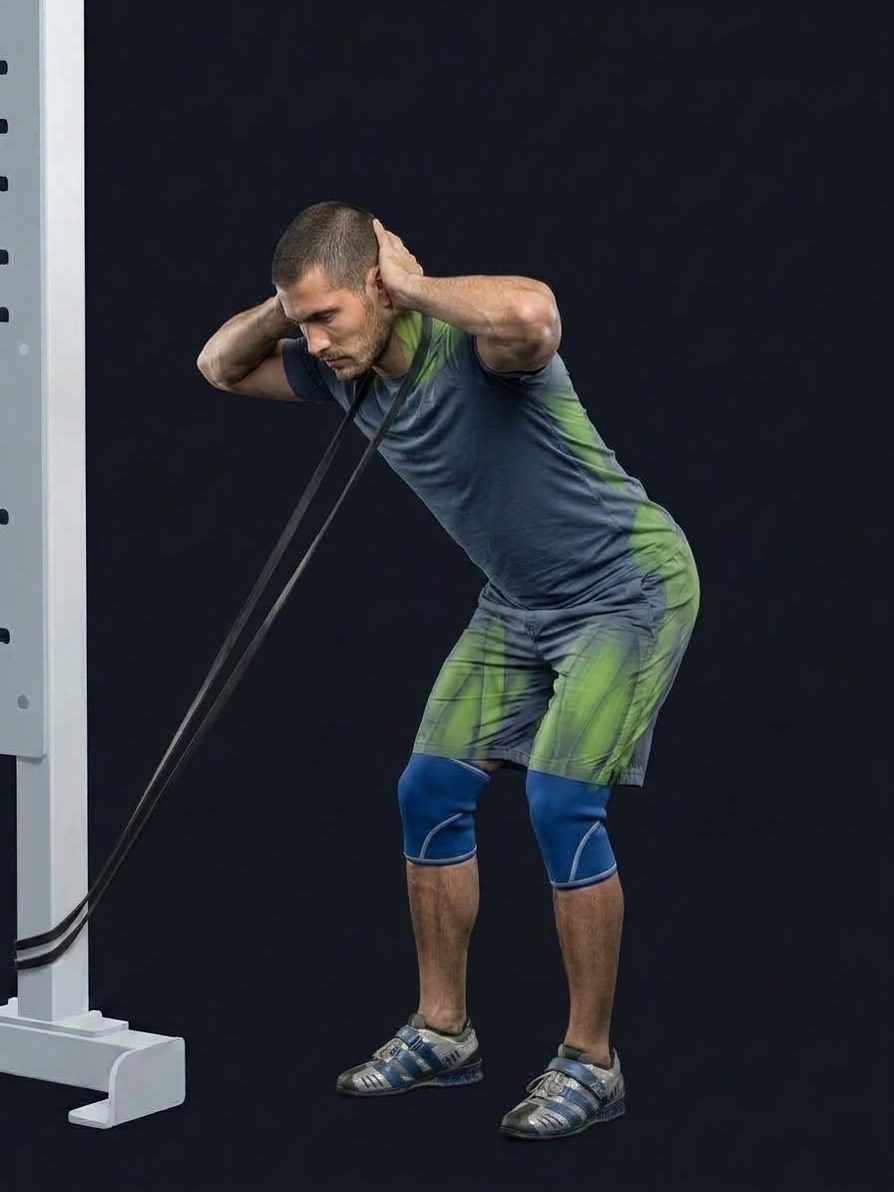
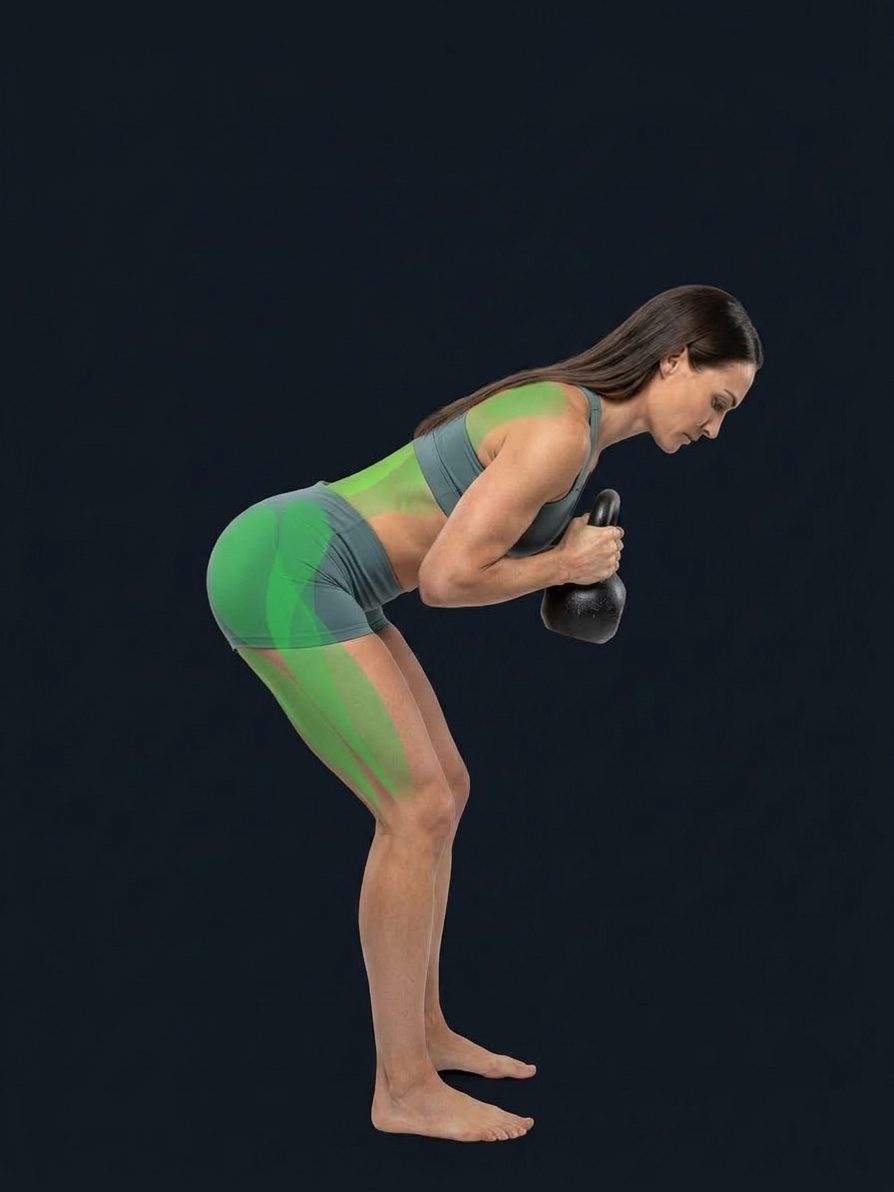
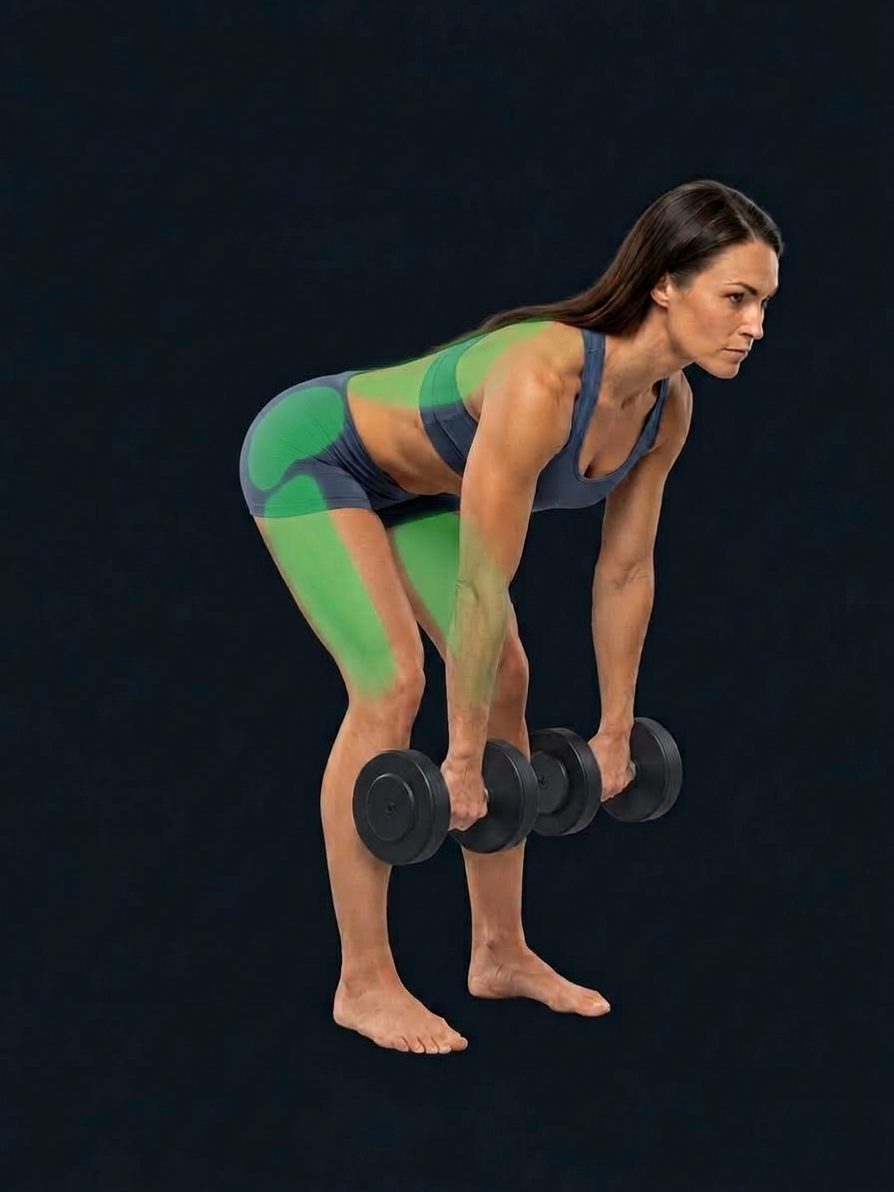
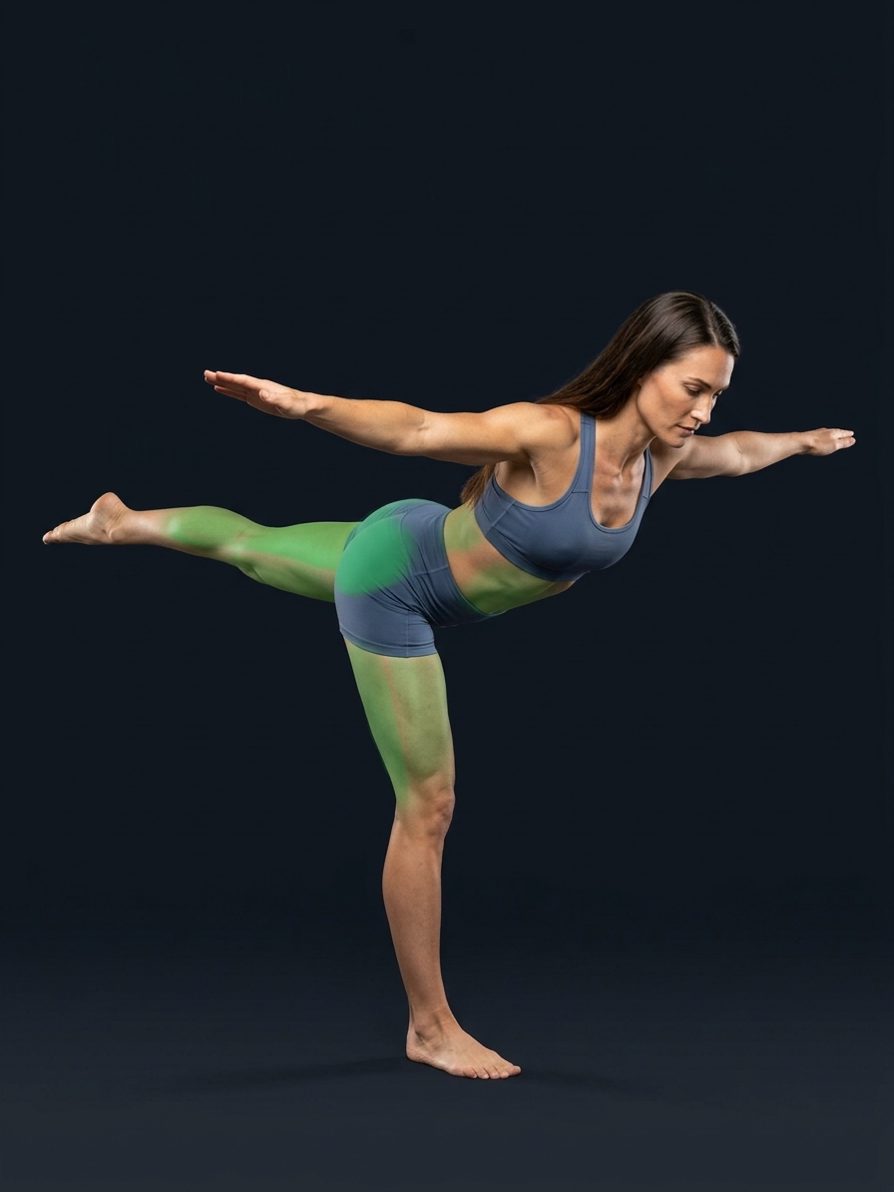
Single-Leg Good Morning
This unilateral hip hinge strengthens the hamstrings, glutes and lower back on one leg at a time, adding a balance and anti-rotation demand that exposes side-to-side differences. It builds posterior chain strength and hip stability without external load.
HOW TO DO IT
- Stand tall on one leg with the standing knee slightly bent and foot pointing forward.
- Place your hands behind your head, across your chest, or reach them out for balance.
- Keep your back flat and your hips square to the floor.
- Hinge at the standing hip, letting the free leg extend straight behind as a counterbalance.
- Lower until your torso and rear leg are roughly parallel to the ground.
- Drive the standing hip forward to return upright, then switch legs after all reps.
COMMON MISTAKES
- Rotating or dropping the free hip, turning the hinge into a twist.
- Rounding the lower back on the way down.
- Bending the standing knee into a squat instead of hinging.
- Reaching the free leg too high and arching the lower back.
TIPS
- Push the standing hip back as if closing a car door.
- Keep the hips level, as if balancing a glass of water on your lower back.
- Move slowly and keep tension; a controlled tempo is what makes the balance work.
- Fix your gaze on a point on the floor about a metre ahead to steady yourself.
SAFETY
- Balance is the main risk; perform near a wall or rack you can touch for support.
- Stop immediately if you feel sharp pain in the lower back.
- Avoid the movement if you have an acute balance or inner-ear condition.
DETAILS
- Muscles
- HamstringsGlutes
- Equipment
- Bodyweight
- Type
- Strength Training
- Difficulty
- Advanced
- Tracked as
- Weight & Reps
TECHNIQUE
- Legs
- One
SIMILAR EXERCISES
Train this in GYMMER
Put it in a plan, log every set, and learn 3,000+ exercises with demos and coaching notes.
Ratings
Not rated