VARIATIONS
- Dumbbell PulloverChest · Lats · Dumbbell
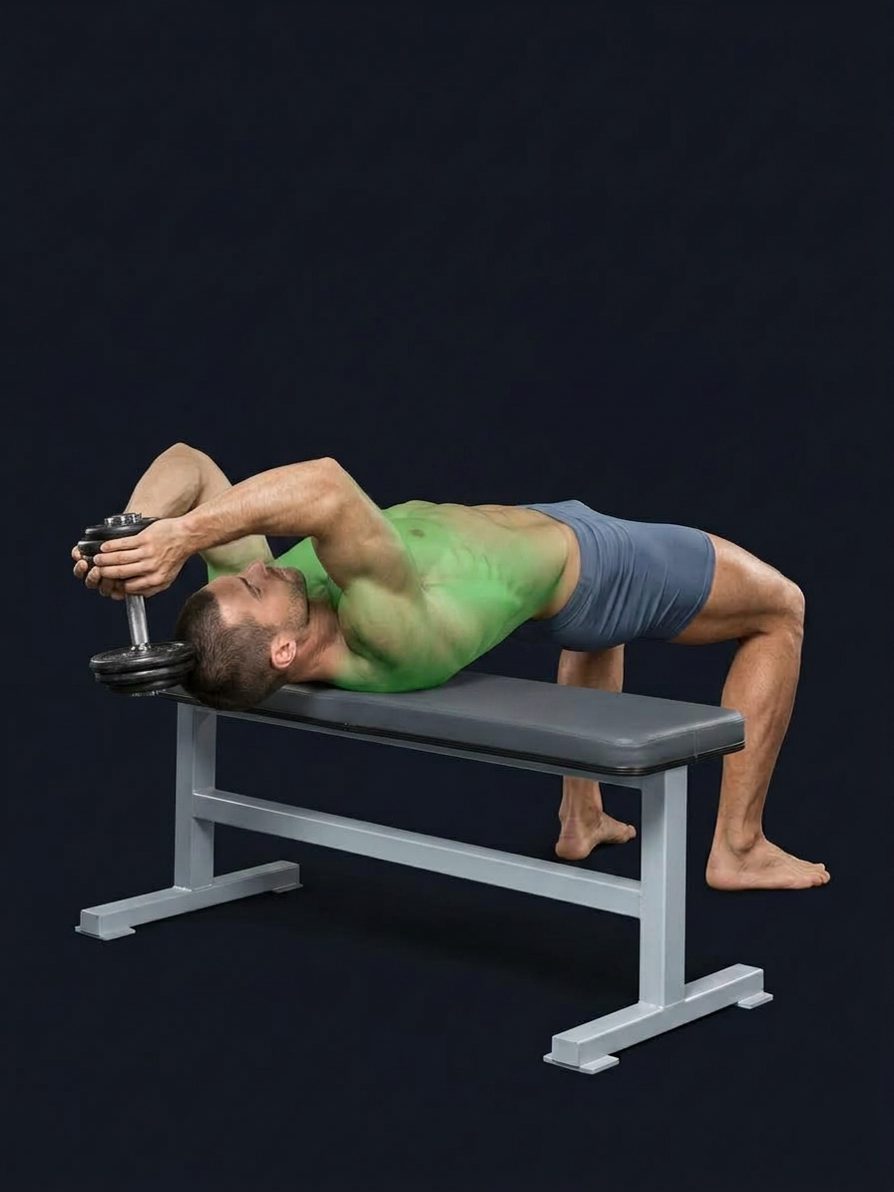
- Barbell PulloverLats · Traps · Barbell · Bench
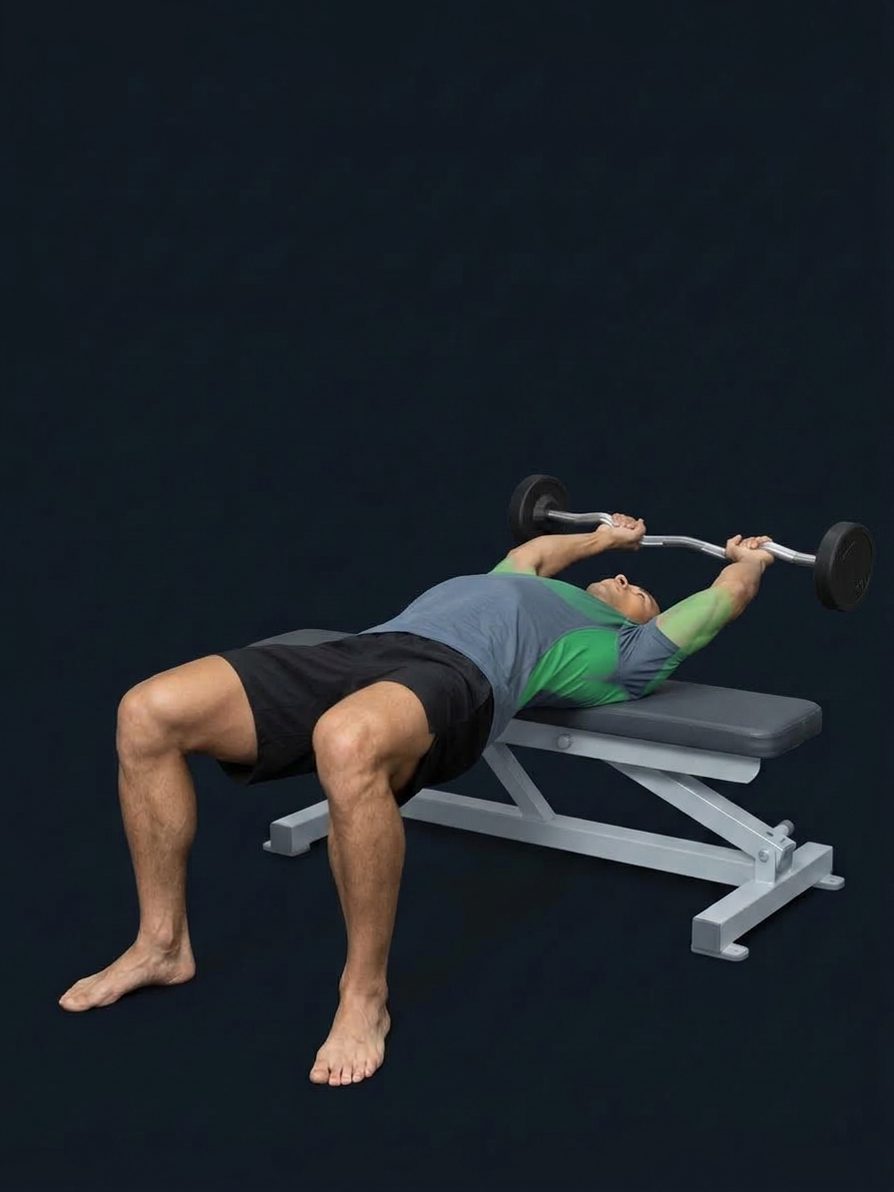
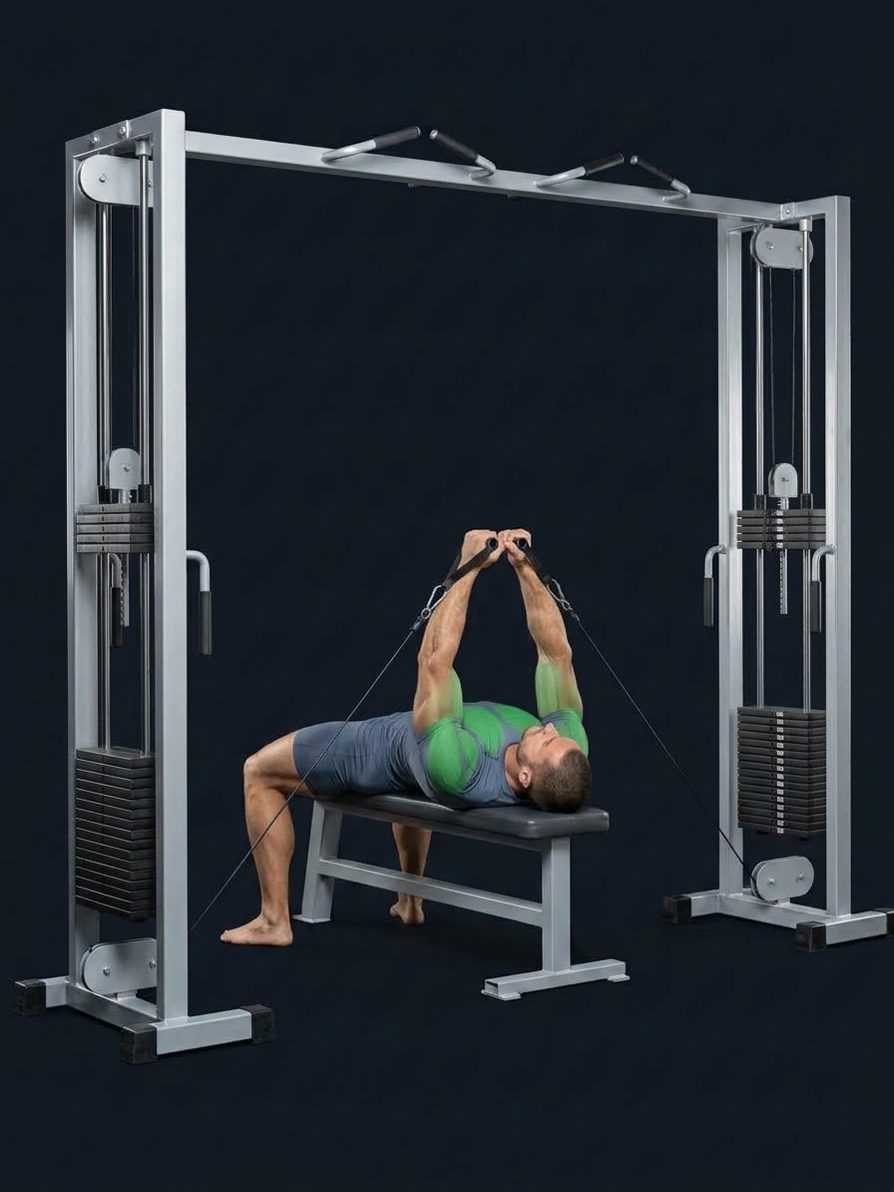
- High Cable PulloverLats · Serratus · Cable Machine
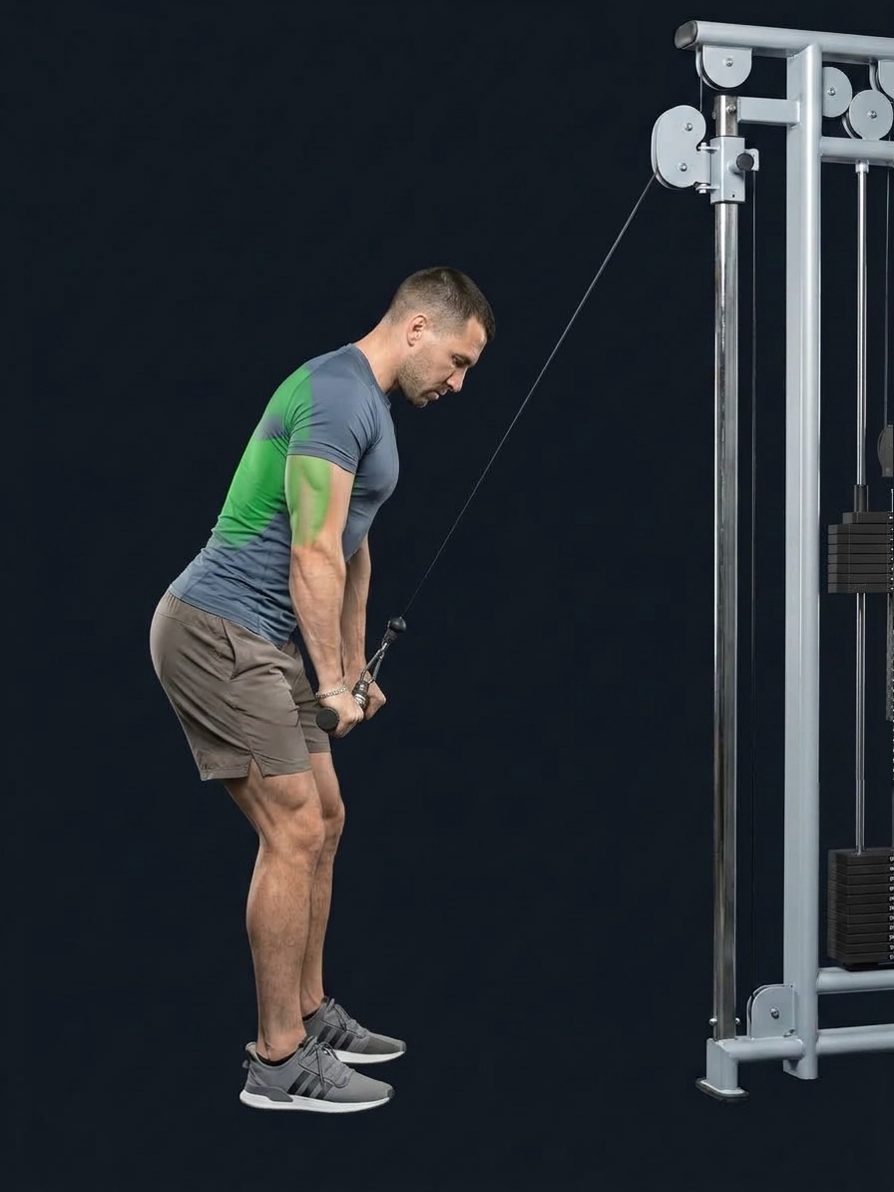
- Machine PulloverLats · Back · Machine
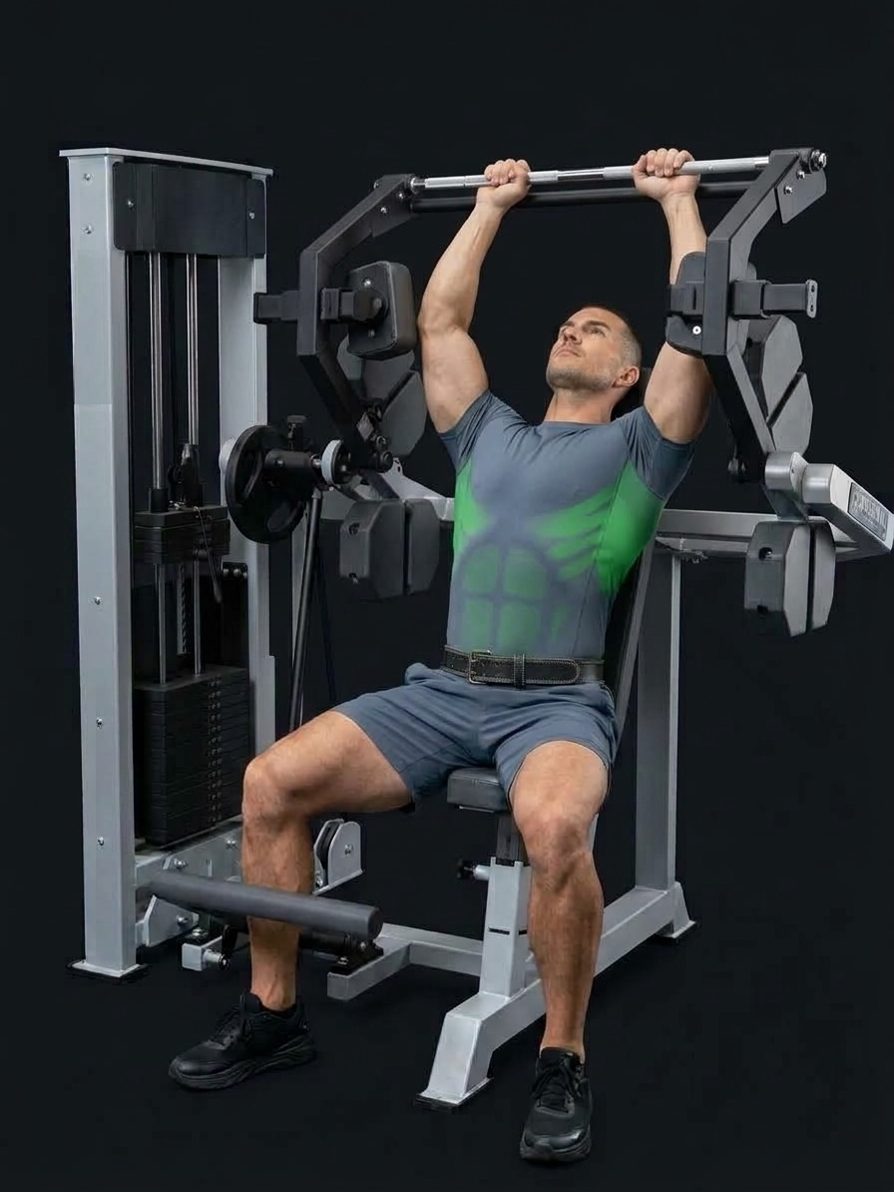
- Incline Dumbbell Straight-Arm PulloverLats · Back · Incline Bench · Dumbbell
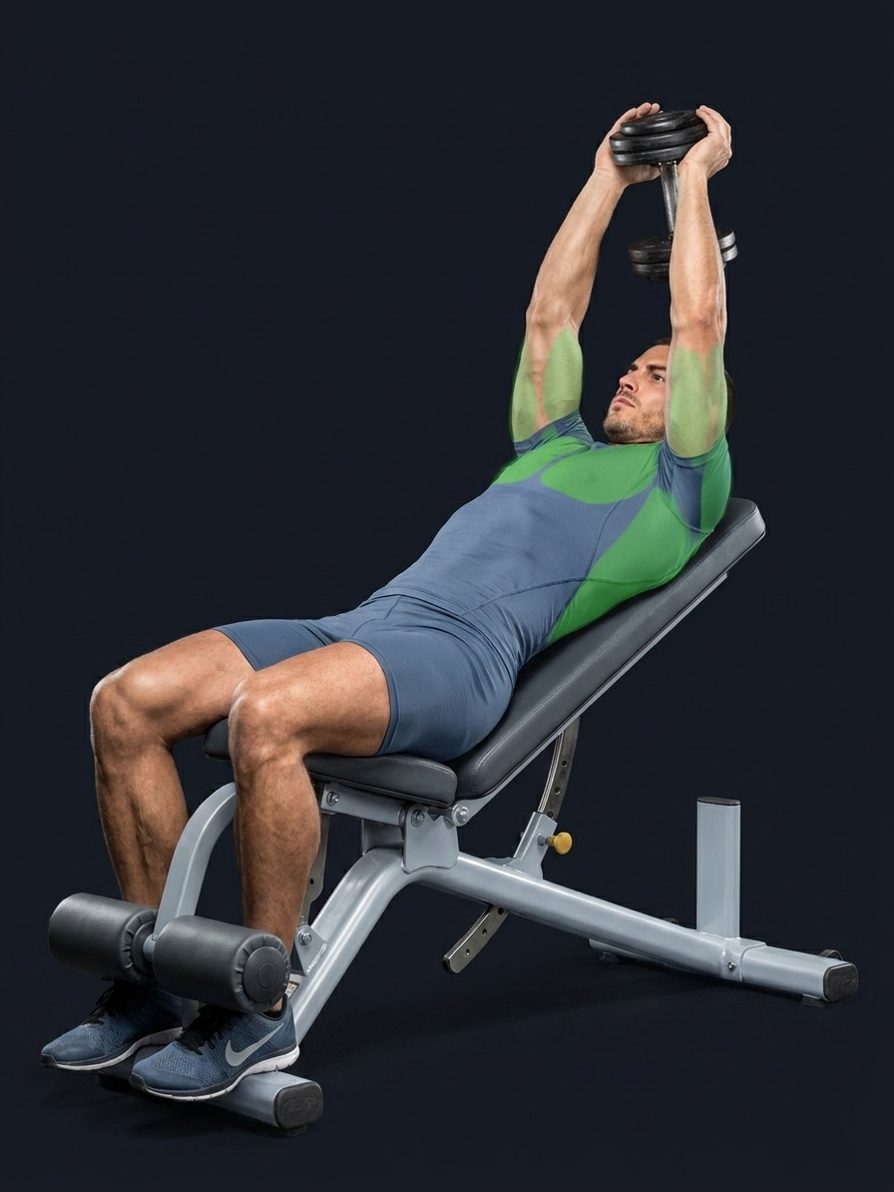
- Single-Arm Dumbbell PulloverLats · Serratus · Dumbbell · Bench
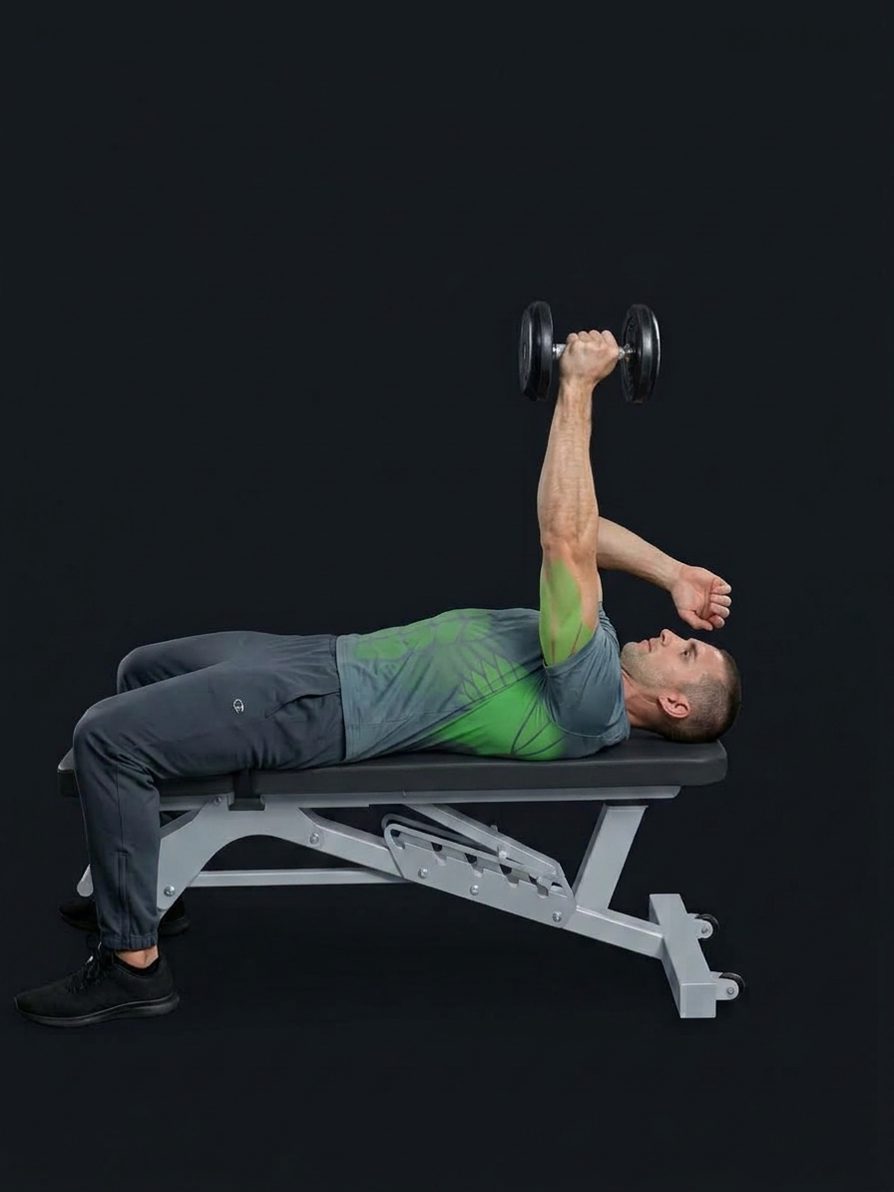
Decline Dumbbell Pullover
This isolation movement targets the chest and lats by extending the shoulders under load on a decline bench. The decline angle increases the stretch and shifts emphasis slightly toward the lower and outer chest while building upper body width and depth.
HOW TO DO IT
- Set a decline bench to roughly 15 to 30 degrees and secure your legs under the pads.
- Lie back with your upper back and shoulders supported and your head clear of the bench edge.
- Hold one dumbbell vertically with both hands cupped under the top head, arms extended over your chest.
- Keep a slight bend in the elbows and lower the dumbbell in an arc behind your head until you feel a strong stretch.
- Pull the dumbbell back over your chest by contracting the chest and lats, stopping just short of the start position.
- Keep your hips pinned to the bench and your ribs down throughout.
COMMON MISTAKES
- Straightening the arms completely, turning it into a triceps extension.
- Letting the dumbbell drift too far behind the head and losing tension at the bottom.
- Bouncing out of the stretched position instead of pausing under control.
- Arching the lower back or lifting the hips off the decline pad.
- Using a weight so heavy that the shoulders roll forward at the bottom.
TIPS
- Use a lighter dumbbell than your flat pullover weight; the decline stretch is stronger.
- Keep the elbows softly bent and locked at that angle for the whole rep.
- Think about pulling with the lats and chest rather than lifting with the arms.
- Control the eccentric for two to three seconds and pause briefly at the bottom stretch.
- Keep your chin slightly tucked so your head does not press into the bench.
SAFETY
- The decline position raises blood pressure and can cause lightheadedness, so rise slowly after the set.
- Do not force the shoulder into hyperextension if you feel sharp pain.
- Make sure the leg pads are locked before you lie back.
DETAILS
- Muscles
- ChestLatsBack
- Equipment
- DumbbellDecline Bench
- Type
- Strength Training
- Difficulty
- Intermediate
- Tracked as
- Weight & Reps
TECHNIQUE
- Body position
- Lying on the back
- Bench angle
- Decline
SIMILAR EXERCISES
Train this in GYMMER
Put it in a plan, log every set, and learn 3,000+ exercises with demos and coaching notes.
Ratings
Not rated